Facente Consulting helped the California Department of Public Health to research and submit a report to the legislature summarizing findings and recommendations about the effectiveness and feasibility of routine HIV screening in California emergency departments.
Project Descriptions
Understanding Routine HIV Screening in California Emergency Departments
Evaluating and Communicating the Impact of Syringe Service Programs Providing Access to MAT
The Center at Sierra Health Foundation
Needs Assessment for Youth from Low-Income Families
One Treasure Island

Creating a Toolkit for Conducting Community-Based Participatory Research (CBPR) in Harm Reduction Settings
NASTAD

Mixed Methods Study of Gendered Microaggressions in Medical Care
Stanford Medicine

Citywide Hepatitis B Needs Assessment
SFDPH Disease Prevention and Control

Evaluation for CDC-Funded Workforce Development for San Francisco Department of Public Health
SFDPH Center for Learning and Innovation

Needs Assessment on the Health of People who Use Drugs in San Francisco
SFDPH Behavioral Health Services

Identifying Barriers and Facilitators for CDPH OA ADAP-Related Programs
CDPH Office of AIDS

Formal Assessment of the Landscape of Medications for Addiction Treatment (MAT) in California
The Center at Sierra Health Foundation
Evaluation of Gender-Inclusive School Trainings in California
Gender Spectrum

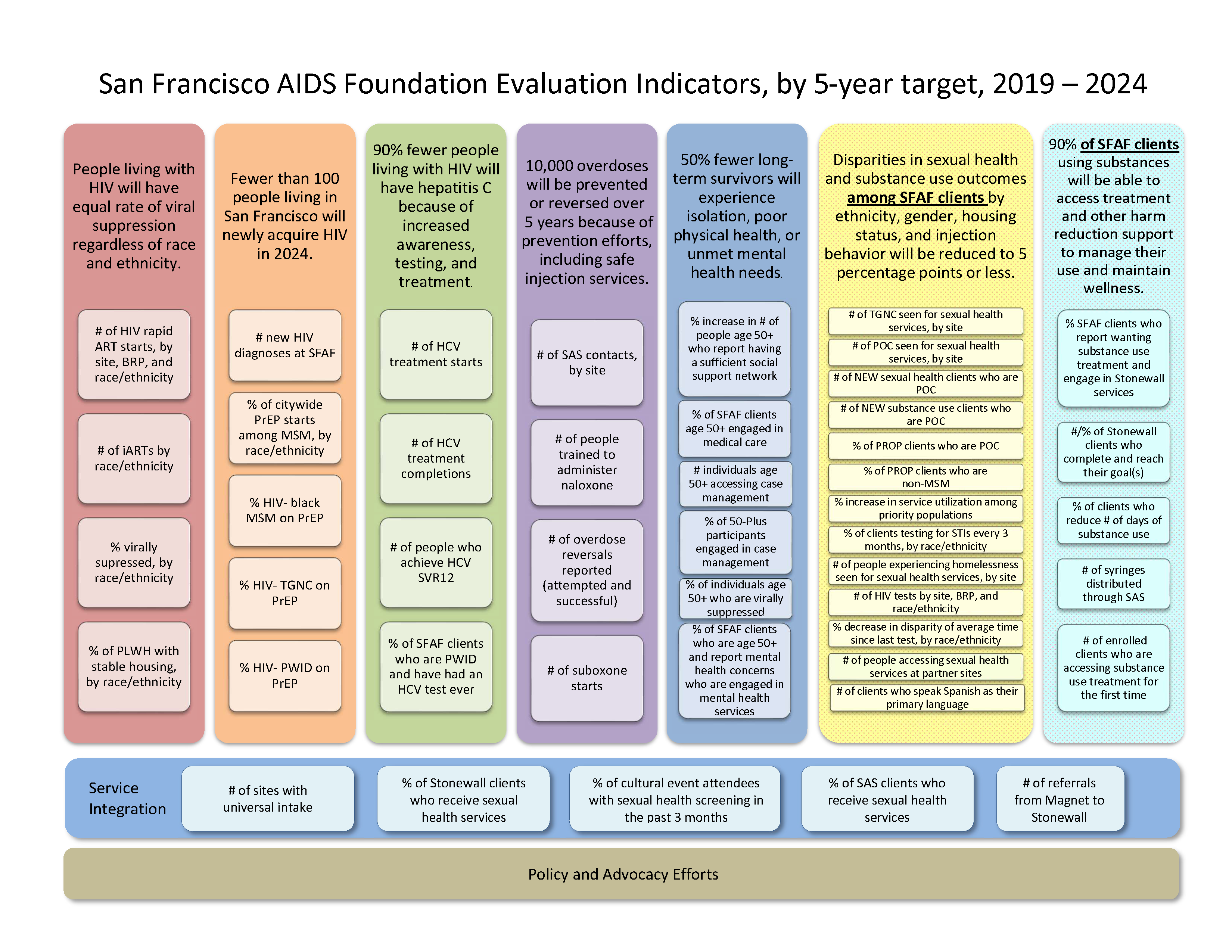
Development and Implementation of Organizational Impact Evaluation
San Francisco AIDS Foundation
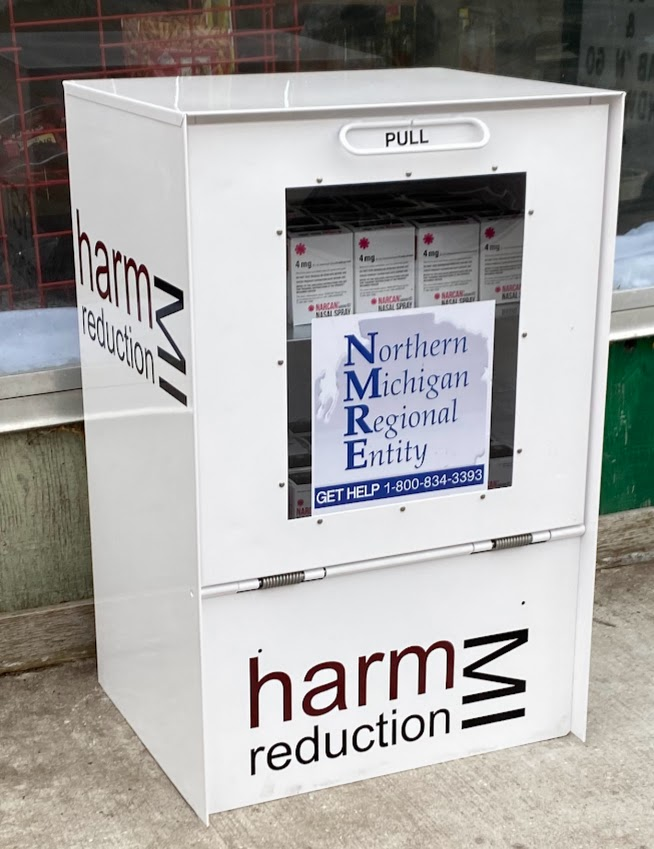
Evaluating Naloxone Boxes to Prevent Overdoses in Michigan
Harm Reduction Michigan
Assessment of San Francisco’s Clinical Implementation of Long-Acting Injectable PrEP and ART
San Francisco Department of Public Health

Harm Reduction Readiness Assessment in Southeast San Diego
County of San Diego Public Health Services

Needs Assessment of Hepatitis C Testing and Treatment in the Jail System
End Hep C SF

Facente Consulting was selected by End Hep C SF to design and lead a mixed-methods needs assessment to identify gaps in hepatitis C (HCV) testing and treatment in San Francisco jails, identify best practices for treatment and linkage, and develop a HCV care cascade for people currently or recently incarcerated.